Navigating MOQs: How to Balance Unit Cost and Inventory for Corporate Gifting

For any procurement officer tasked with sourcing custom corporate gifts, the acronym "MOQ" (Minimum Order Quantity) is often the first hurdle. Suppliers demand it to cover setup costs, while finance departments push for lower inventory liability. Striking the right balance between unit cost reduction and inventory management is an art form that defines successful B2B purchasing.
The Economics Behind MOQ
Why do custom gift box suppliers insist on high MOQs? The answer lies in the fixed costs of production. Whether you order 500 boxes or 5,000, the cost to create the printing plates, set up the die-cutting machine, and mix the custom ink remains the same. These "setup costs" must be amortized across the total number of units.
At BritGift Works, we often illustrate this with a simple curve: as order volume increases, the fixed cost per unit plummets. For a rigid box project, the unit price at 500 units might be £8.50, but at 2,000 units, it could drop to £4.20. Understanding this curve allows you to identify the "sweet spot" where the marginal savings justify the additional upfront spend.
Negotiating Tiered Pricing
Experienced buyers know that the first price is rarely the final price. When requesting a quote, always ask for a matrix: 500, 1,000, 2,500, and 5,000 units. This transparency forces the supplier to reveal their economies of scale. If you have a recurring need—say, onboarding kits for new hires—negotiate a "blanket order" where you commit to 5,000 units annually but take delivery (and pay for) 1,000 units quarterly. This locks in the lower high-volume price while managing cash flow and storage space.
Hidden Costs of Inventory
It's tempting to order 10,000 units to get the lowest price, but where will they go? Warehousing in the UK is expensive. If your office doesn't have a loading dock or pallet racking, you might incur additional fees for "lift-gate delivery" or off-site storage. We recommend calculating the "Total Landed Cost," which includes the unit price plus shipping, duties, and six months of estimated storage fees. Often, a slightly higher unit price for a smaller batch is cheaper in the long run than paying to store dust-gathering boxes.
Why do custom gift box suppliers insist on high MOQs?
Beyond setup costs, high MOQs ensure material consistency. Paper mills often require minimum purchases for specific dyed-to-match papers. If a supplier agrees to a sub-MOQ run, they might be using "stock" paper which could vary slightly in shade from your brand guidelines. High MOQs guarantee that your entire batch is produced from a single run of raw materials, ensuring perfect uniformity.
Procurement Tip
If you can't meet the MOQ for a fully custom box, consider a "semi-custom" approach: buy a stock box in your brand color and apply a custom foil-stamped sleeve. This often lowers the MOQ to as few as 50 units.
Mastering MOQ is about looking beyond the invoice price. It's about aligning your procurement strategy with your company's consumption rate and storage capabilities. By asking the right questions and forecasting accurately, you can turn MOQ from a barrier into a leverage point.
You May Also Like
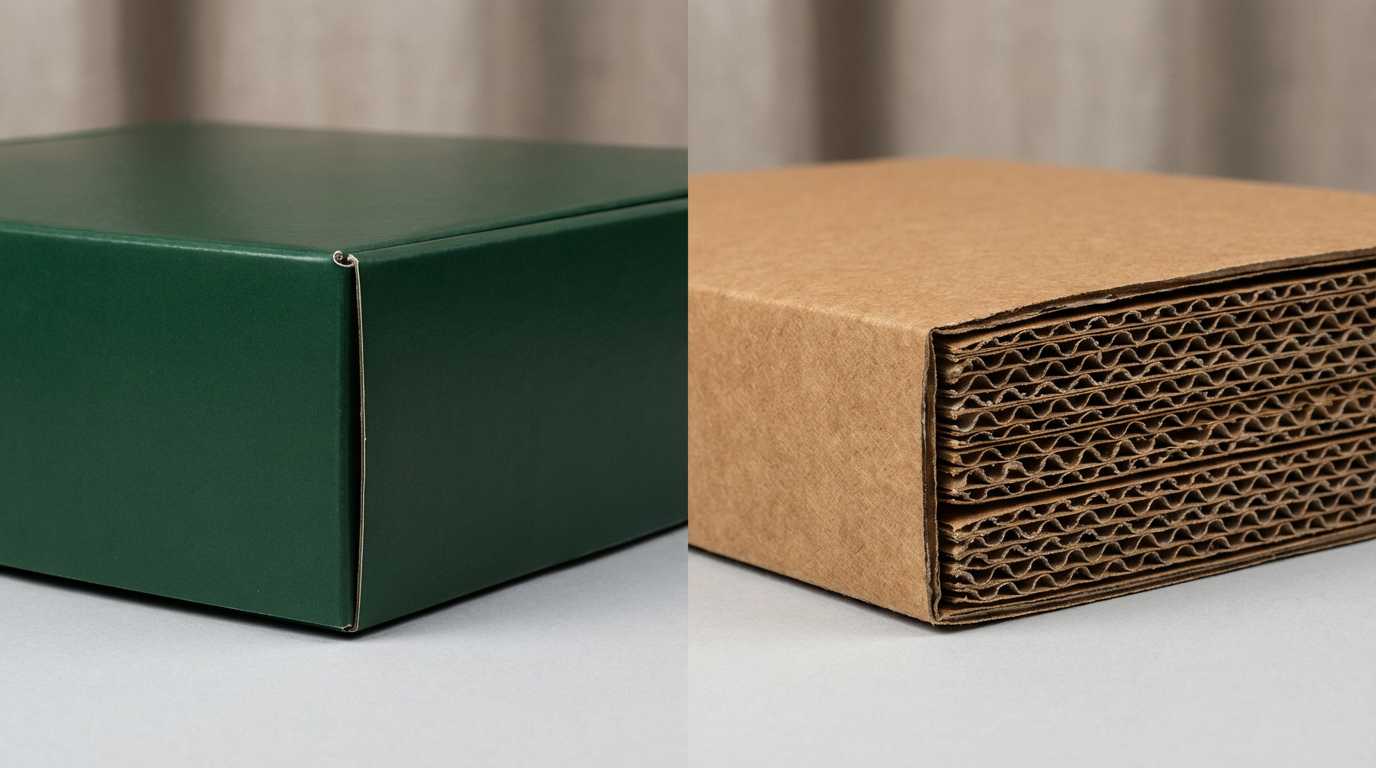
Rigid Box vs. Corrugated Mailer: Which Material Suits Your Premium Corporate Gifts?
A deep dive into the structural integrity, cost implications, and unboxing experience of rigid boxes versus corrugated mailers for high-end corporate gifting.
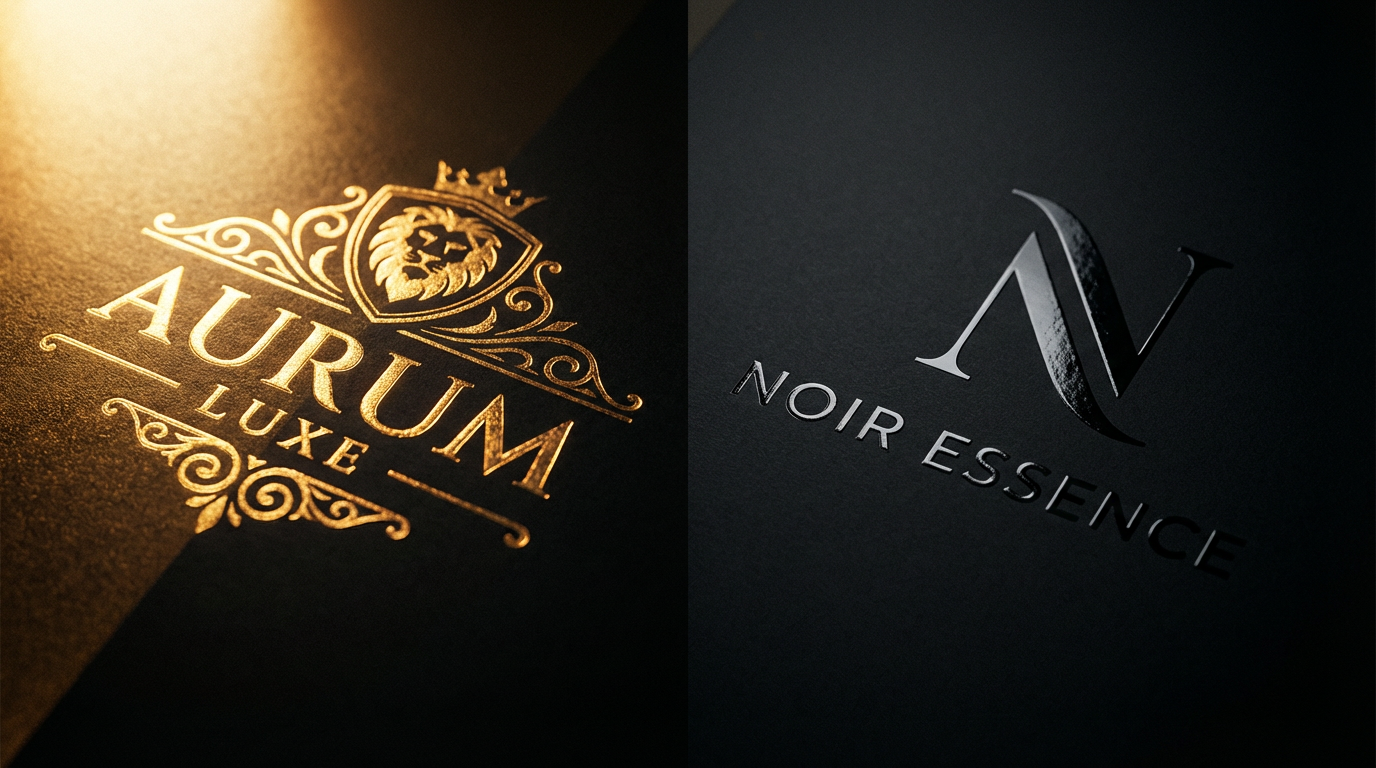
Foil Stamping vs. UV Spot: Elevating Your Brand Logo on Custom Gift Boxes
A technical comparison of hot foil stamping and UV spot varnish, analyzing visual impact, durability, and production costs for branded corporate packaging.