EVA Foam vs. Cardboard Inserts: Securing Fragile Items in Corporate Hampers
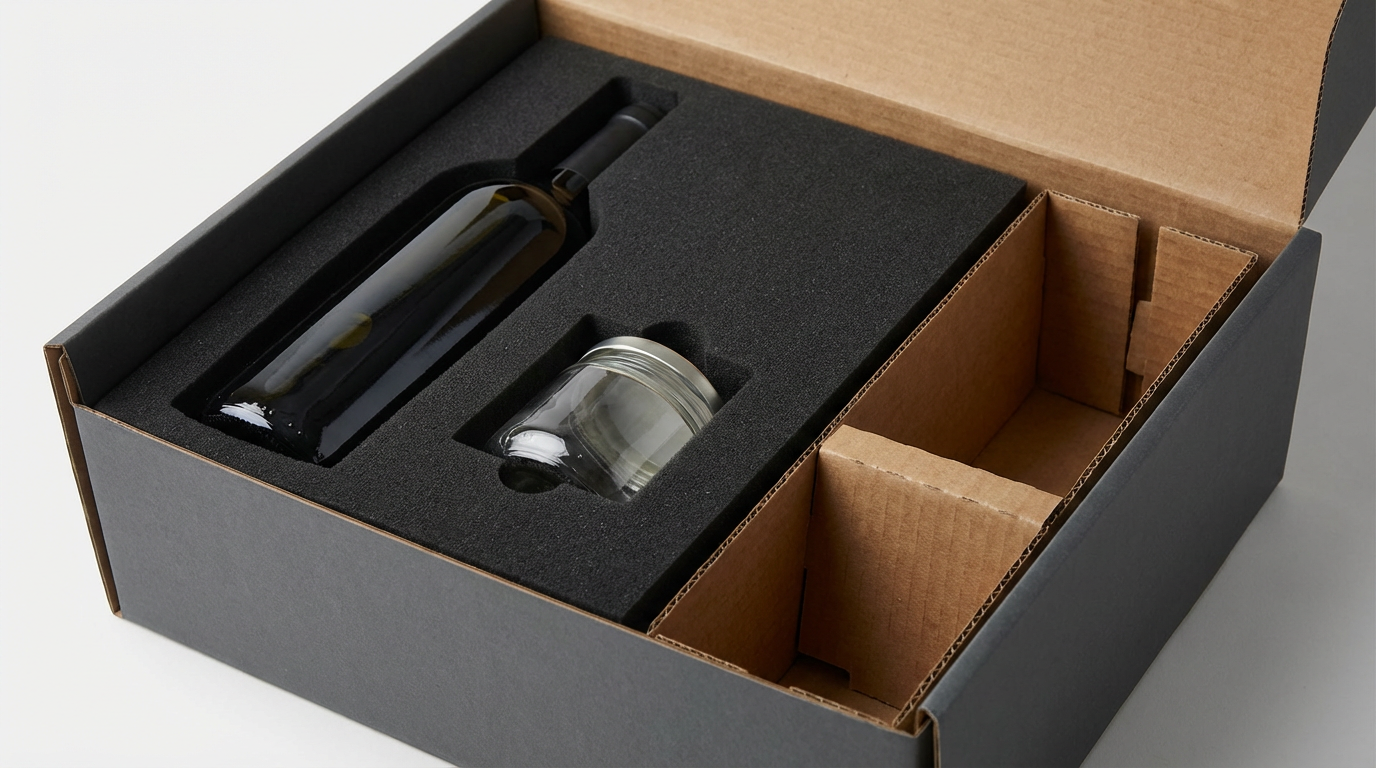
The unboxing experience is quickly ruined if the recipient opens the box to find broken glass or disarrayed items. Internal inserts are the unsung heroes of corporate gift packaging, providing the necessary fixation and protection. The two primary contenders for this role are Ethylene-Vinyl Acetate (EVA) foam and engineered corrugated cardboard.
EVA Foam: The Premium Protector
EVA foam is a dense, closed-cell foam that offers exceptional shock absorption and vibration dampening. It can be die-cut with extreme precision to mirror the exact contours of the product, holding it snugly in place. This "friction fit" ensures that items like heavy wine bottles or delicate tech gadgets do not shift during transit.
Visually, high-density EVA foam (often laminated with a velvet or card topper) looks incredibly sleek and premium. It presents the products like jewels in a display case. However, it is a petroleum-based product and, while technically recyclable in some streams, is often viewed as less eco-friendly than paper-based alternatives.
Cardboard Inserts: The Sustainable Engineer
Corrugated cardboard inserts rely on structural engineering rather than material density for protection. Through clever folding and locking tabs, a flat sheet of cardboard is transformed into a 3D structure that braces the product and creates air gaps (crumple zones) to absorb impact.
The primary advantage of cardboard is its sustainability profile. It is 100% curbside recyclable and biodegradable, aligning perfectly with the ESG goals of many modern corporations. While it may not offer the same "velvet glove" feel as foam, well-designed cardboard inserts can be printed with brand colors or messages, turning a functional component into a branding opportunity.
How to prevent wine bottles from breaking inside a gift box?
Preventing breakage is about immobilization and shock isolation. With EVA foam, the bottle is fully encased, distributing impact energy across the foam's surface area. With cardboard, the design must suspend the bottle away from the outer walls of the box, creating a buffer zone. A "neck lock" and "base cup" design is essential to prevent the heavy bottle from sliding back and forth, which is the most common cause of breakage.
Hybrid Solutions and Future Trends
For brands caught between the need for premium presentation and sustainability, molded pulp is emerging as a strong alternative. Made from recycled paper slurry, it can be molded into complex shapes like plastic but is fully compostable. While the tooling costs are higher, it offers a middle ground between the protection of foam and the eco-credentials of cardboard.
Recommendation
For ultra-fragile, high-value items where presentation is paramount, EVA foam remains the safest bet. For mixed hampers and brands with strict sustainability mandates, engineered cardboard is the responsible and effective choice.
Your choice of insert speaks volumes about your brand's values. Whether you prioritize the absolute security of foam or the circular economy of cardboard, ensuring the engineering is sound is the first step in a successful gifting campaign.
You May Also Like
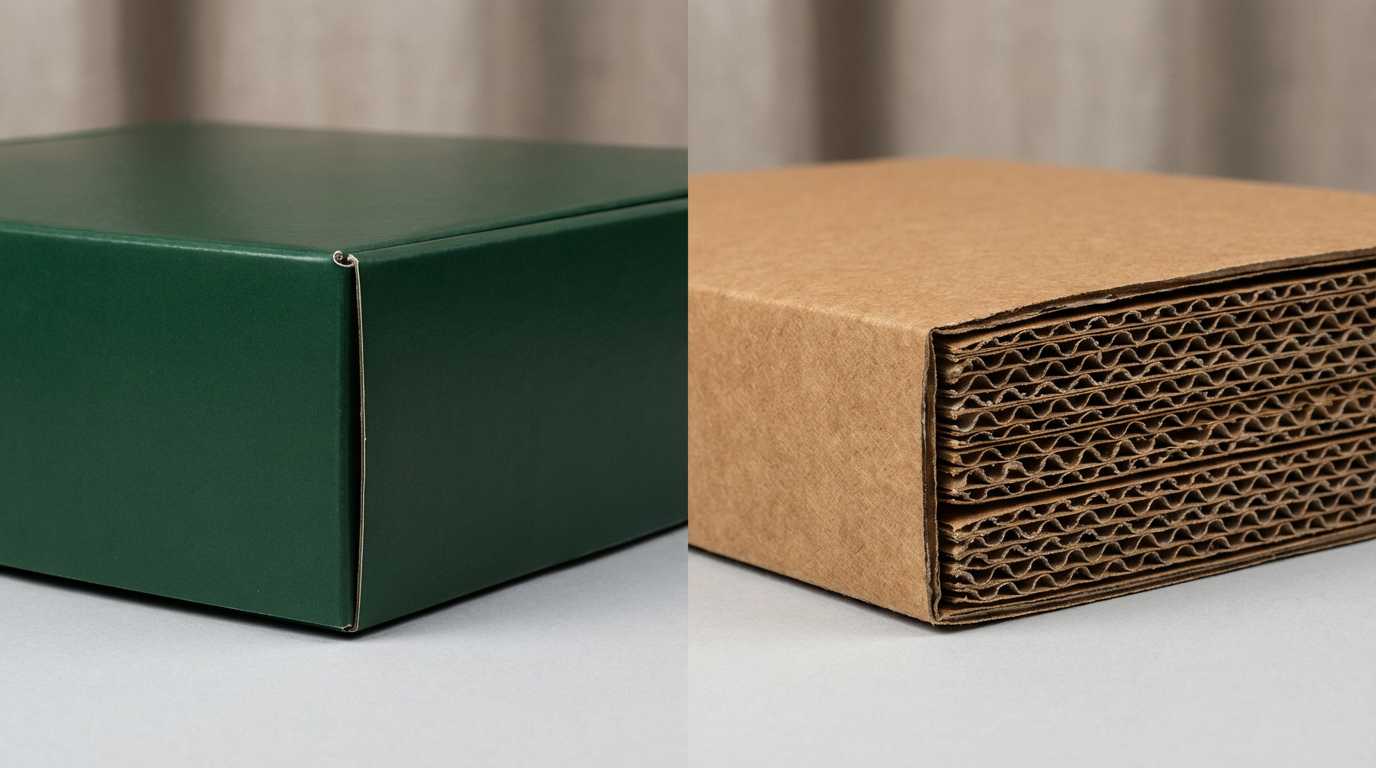
Rigid Box vs. Corrugated Mailer: Which Material Suits Your Premium Corporate Gifts?
A deep dive into the structural integrity, cost implications, and unboxing experience of rigid boxes versus corrugated mailers for high-end corporate gifting.
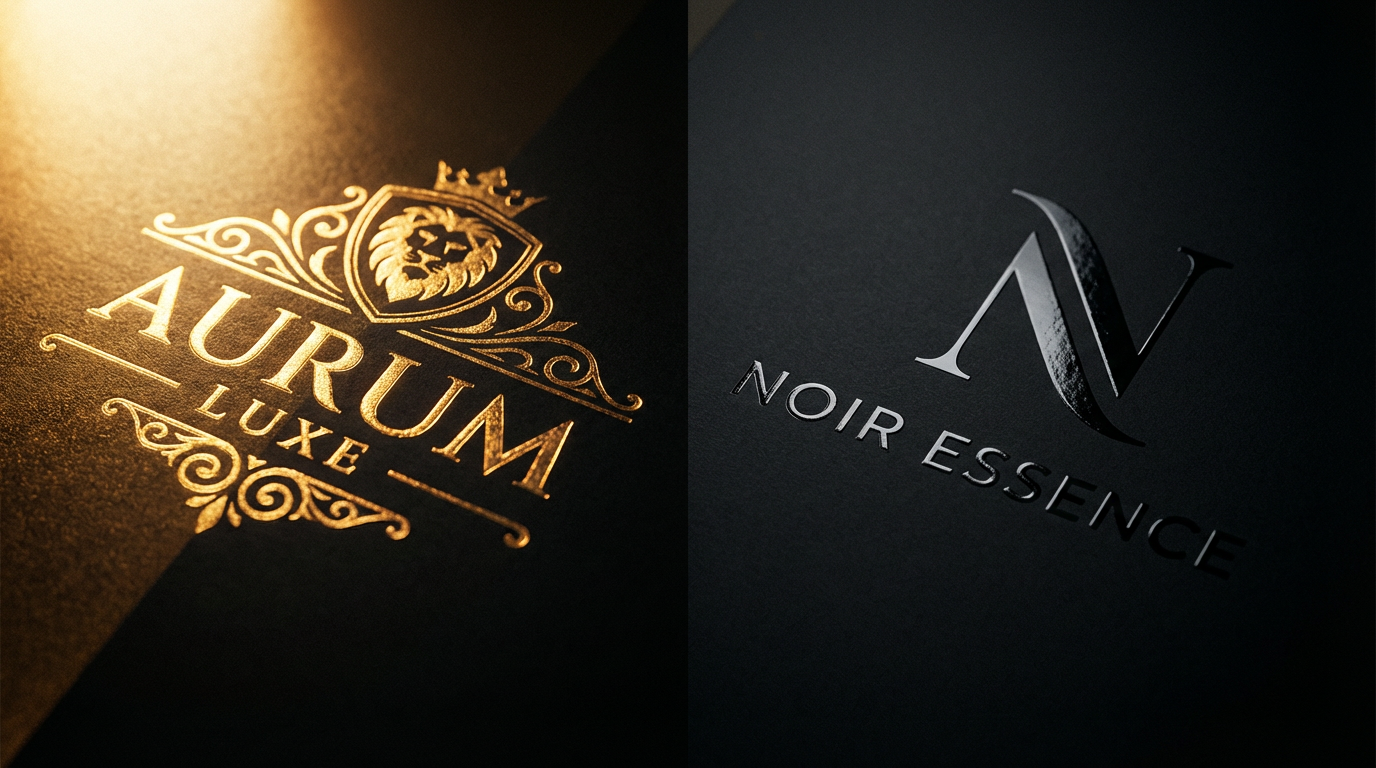
Foil Stamping vs. UV Spot: Elevating Your Brand Logo on Custom Gift Boxes
A technical comparison of hot foil stamping and UV spot varnish, analyzing visual impact, durability, and production costs for branded corporate packaging.