The Engineering Behind the 'Snap': A Deep Dive into Magnetic Closure Mechanisms

The Engineering Behind the 'Snap': A Deep Dive into Magnetic Closure Mechanisms
In the competitive landscape of B2B packaging, the difference between a transient experience and a lasting brand impression often lies in the details. Among these critical details, the magnetic closure mechanism stands out as a pinnacle of functional design and perceived luxury. Far from being a simple novelty, the satisfying "snap" of a magnetically sealed box is the result of precise engineering, material science, and a deep understanding of consumer psychology. For brands operating in the high-end retail, technology, and corporate gifting sectors, understanding the mechanics behind this closure is essential for specifying packaging that aligns with their premium value proposition.
This authoritative guide delves into the core engineering principles that govern magnetic closures, exploring the physics, the materials, and the manufacturing precision required to transform a simple rigid box into a sophisticated, reusable container. We will examine why this technology has become the standard for luxury packaging and how B2B buyers can leverage this knowledge to optimize their product presentation and supply chain efficiency.
I. The Core Physics: Understanding the Magnetic Field
The functionality of a magnetic closure relies on fundamental principles of electromagnetism. Specifically, it involves the controlled interaction between two permanent magnets—or a magnet and a ferromagnetic material (like steel)—embedded within the packaging structure. The success of the closure is not merely about having magnets; it is about the precise calculation of magnetic flux density, pull force, and the spatial relationship between the components.
The Indispensable Role of Neodymium Magnets (NdFeB)
The vast majority of high-quality magnetic closures utilize Neodymium Iron Boron (NdFeB) magnets. These are the most powerful type of permanent magnets commercially available, offering a significantly higher maximum energy product (BHmax) compared to older ferrite or Alnico magnets. This high energy product is crucial because it allows for a strong holding force (the "snap") using magnets that are small and thin enough to be discreetly concealed within the paperboard or plastic substrate.
- High Coercivity: NdFeB magnets possess high coercivity, meaning they are highly resistant to demagnetization, ensuring the closure mechanism remains reliable over the product's lifespan and through various environmental conditions.
- Miniaturization: Their exceptional strength-to-volume ratio allows designers to use magnets as small as 3mm in diameter or 1mm in thickness, minimizing the visual impact on the packaging design.
- Grade Specification: Magnets are graded (e.g., N35, N42, N52) based on their maximum energy product. For premium packaging, grades like N35 or N40 are common, balancing cost with the required pull force for secure closure.
Calculating Pull Force and Flux Density
The critical engineering parameter is the **pull force**, which is the force required to separate the two magnetic components. This force is a function of several variables, including the magnet's grade, its size, and the air gap between the two components. In packaging, the air gap is determined by the thickness of the material (paperboard, fabric wrap) covering the magnets.
Engineers must calculate the required pull force to ensure the box remains securely closed during transit and handling, yet opens easily and intuitively for the end-user. A force that is too weak leads to accidental opening, while a force that is too strong diminishes the perceived quality and user experience. The ideal pull force is often achieved through iterative prototyping and testing, adjusting the magnet size or grade to fine-tune the "snap" sensation.
Table 1: Key Engineering Parameters for Magnetic Closures
| Parameter | Definition | Impact on Packaging |
|---|---|---|
| Magnetic Flux Density (B) | The strength of the magnetic field, measured in Tesla (T) or Gauss (G). | Directly correlates with the pull force; higher density means stronger closure. |
| Pull Force (F) | The force required to separate the magnets, measured in Newtons (N). | Determines the security and ease of opening; must be balanced for user experience. |
| Air Gap (d) | The distance between the two magnetic components, typically the thickness of the substrate. | Inversely proportional to pull force; a smaller gap yields a stronger snap. |
| Coercivity (Hcj) | The material's resistance to demagnetization. | Ensures long-term reliability and durability of the closure mechanism. |
II. Precision Manufacturing and Integration
The seamless integration of magnetic components into a rigid box structure is a feat of manufacturing precision. The process moves beyond simple assembly and into the realm of advanced die-cutting and automated embedding to ensure perfect alignment and optimal performance.
Die-Cutting and Tolerance Control
For a magnetic closure to function correctly, the magnets must be positioned with extremely tight tolerances. A misalignment of even a fraction of a millimeter can significantly reduce the effective pull force or, worse, cause the closure to fail entirely. This precision is achieved through:
- High-Precision Die-Cutting: The recesses (or pockets) for the magnets are cut into the paperboard substrate using specialized, high-tolerance steel rule dies. The depth of the cut must be exact to ensure the magnet sits flush with the surface, minimizing the air gap.
- Automated Embedding: Modern manufacturing lines use automated machinery to insert the magnets into the die-cut pockets. This process ensures consistent polarity and placement across thousands of units, which is critical for large-scale B2B orders.
- Polarity Management: The magnets must be inserted with opposing poles facing each other (North to South) across the closure line. Automated systems use sensors to verify polarity before insertion, preventing costly errors that would render the box unusable.
The choice of substrate material also plays a role. Rigid boxes, typically constructed from thick paperboard (often 1.5mm to 3mm thick), provide the necessary structural integrity to house the magnets without warping or deformation. The paperboard is then wrapped with a decorative material, which can range from high-quality FSC-certified art paper to textured stocks, further concealing the mechanism.
Material Compatibility and Aesthetics
The aesthetic finish of the packaging must complement the engineering precision. The magnets are typically hidden beneath the outer wrapping material, which can be a challenge for materials that are sensitive to slight surface irregularities. The choice of lamination or varnish is also critical, as it affects the tactile experience and the final look. For instance, a comparison between a soft-touch lamination and a matte varnish reveals distinct differences in how the final product feels and how it resists fingerprints, directly impacting the perceived luxury of the package. Understanding the nuances of tactile finishes is as important as the magnetic engineering itself.
III. B2B Applications: Beyond the "Snap"
The adoption of magnetic closures in B2B packaging is driven by compelling commercial advantages that extend far beyond a pleasing sound. These mechanisms contribute directly to brand perception, product security, and supply chain efficiency.
Elevating Perceived Value and Brand Experience
In the luxury and corporate gifting markets, the unboxing experience is a crucial touchpoint. A magnetic closure signals quality and attention to detail, instantly elevating the perceived value of the product inside. The mechanism transforms the act of opening into a deliberate, satisfying ritual, reinforcing the brand's premium positioning. This is particularly vital for high-value items like electronics, fine jewelry, and bespoke corporate gifts.
The reusability factor is also a significant commercial benefit. Unlike single-use packaging that is immediately discarded, a well-engineered magnetic box is often retained by the consumer for storage. This transforms the packaging into a lasting, subtle piece of brand collateral, extending the marketing lifecycle of the initial investment.
Security, Durability, and Logistics
From a logistical standpoint, magnetic closures offer superior security and durability compared to friction-fit lids or simple tuck-end boxes. The consistent pull force ensures the box remains sealed throughout the rigors of shipping and handling. This is especially important for international corporate gifting, where complex logistics and varying shipping conditions are the norm. When dealing with global shipments, understanding the nuances of shipping terms, such as the difference between DDP and DAP, becomes paramount to ensure a seamless delivery experience that matches the premium nature of the packaging. Navigating Incoterms 2025 for corporate gifting requires this level of detail.
Durability in Transit:
- Consistent Seal: The magnetic field provides a uniform sealing force across the closure line, reducing the risk of accidental opening due to vibration or minor impacts.
- Reduced Wear: Unlike mechanical clasps or Velcro, the magnetic mechanism involves no moving parts that can wear out or break, ensuring the closure remains functional for repeated use.
- Stacking Integrity: The rigidity of the box, combined with the secure closure, allows for safer stacking and storage, optimizing warehouse space and reducing damage rates.
IV. Advanced Design Considerations and Future Trends
As the technology matures, designers are exploring more complex and innovative applications of magnetic closures, pushing the boundaries of what packaging can achieve.
Hidden Hinges and Book-Style Designs
The most common application is the "book-style" box, where the lid folds over and is secured by magnets embedded in the front flap and the main body. However, advanced designs incorporate magnets into hidden hinge mechanisms, allowing for self-closing or assisted-opening features. For example, a slight push on the lid can trigger a magnetic repulsion effect, causing the box to spring open partially, adding another layer of sophistication to the unboxing experience.
Electromagnetic Shielding and Product Safety
A critical consideration for B2B clients, particularly those in the electronics or medical device sectors, is the potential impact of the magnetic field on the packaged product. While the field strength of small NdFeB magnets is generally low, sensitive items like magnetic strips on credit cards, certain flash drives, or medical implants require careful engineering. This often involves:
- Shielding Materials: Using thin layers of high-permeability materials, such as mu-metal or specialized steel alloys, to redirect the magnetic flux lines away from the product.
- Field Mapping: Employing finite element analysis (FEA) software to model the magnetic field distribution and ensure that the flux density at the product's location remains below critical thresholds.
- Magnet Orientation: Strategically orienting the magnets (e.g., using a Halbach array configuration, though rare in packaging) to concentrate the field on the closure line while minimizing external leakage.
The engineering challenge is to achieve effective shielding without adding significant bulk or cost to the packaging. This is a specialized area of packaging design that requires collaboration between the packaging engineer and the product development team.
V. The Sustainability Imperative
In an era of increasing environmental scrutiny, the sustainability profile of magnetic closures is a key selling point for B2B brands committed to corporate social responsibility (CSR). The durability and reusability of the rigid box structure, facilitated by the robust magnetic mechanism, directly supports a circular economy model.
- Extended Lifecycle: The secure closure ensures the box can be reused multiple times for storage, reducing the demand for new packaging materials.
- Material Separation: While the magnets themselves are small and can complicate recycling if not removed, the primary material—the paperboard—is highly recyclable. The trend is moving towards designs that allow for easier separation of the magnetic components from the paper fiber.
- Recycled Magnets: The industry is beginning to see the introduction of magnets made from recycled rare-earth materials, further improving the overall environmental footprint of the closure system. The European Union's focus on critical raw materials and circular economy initiatives is driving innovation in this area, making it a critical factor for global brands.
The engineering behind the magnetic closure is a testament to how subtle technological integration can yield significant commercial and experiential benefits. It is a fusion of physics, precision manufacturing, and aesthetic design that elevates packaging from a mere container to an integral part of the brand narrative. For B2B buyers, specifying a magnetic closure is an investment in durability, luxury, and a superior unboxing experience that resonates long after the product has been revealed.
VI. Optimizing the Supply Chain: Flat-Pack vs. Pre-Assembled
A critical consideration for B2B clients is the logistical efficiency of magnetic closure boxes. These boxes are typically shipped in one of two formats, each with distinct engineering and cost implications:
Flat-Pack (Collapsible) Magnetic Boxes
Flat-pack boxes are engineered with additional magnetic components and often a self-adhesive strip to allow the box to be shipped flat and quickly assembled at the destination. This design requires a more complex die-cut pattern and a greater number of magnets to secure not only the lid but also the side walls. The engineering challenge here is ensuring that the folding creases and the assembly magnets align perfectly to form a rigid, square structure. The primary benefit is a significant reduction in shipping volume and cost, particularly for large international orders, which is a major factor in managing Incoterms and overall landed costs.
Pre-Assembled (Rigid) Magnetic Boxes
Pre-assembled boxes are shipped fully formed, offering the highest level of structural integrity and eliminating the need for assembly at the client's end. While these incur higher shipping costs due to volume, they guarantee the highest level of quality control over the final structure and alignment of the closure mechanism. For ultra-luxury goods where structural perfection is non-negotiable, the pre-assembled format is often preferred.
The decision between these two formats is a strategic one, balancing the engineering complexity and cost of the flat-pack design against the shipping volume and quality assurance of the pre-assembled format. This choice directly impacts the total cost of ownership for the B2B client.
VII. Quality Control and Testing Protocols
To ensure the reliability of the magnetic closure mechanism, rigorous quality control (QC) protocols must be implemented during manufacturing. These protocols move beyond visual inspection and involve quantifiable, engineering-based testing.
- Pull Force Testing: Using a specialized force gauge, manufacturers must periodically test the actual pull force of the closure against the specified design tolerance. This ensures consistency across production batches.
- Cycle Testing: The closure mechanism is subjected to thousands of open-and-close cycles to simulate long-term use. This test verifies the durability of the magnet's bond to the substrate and the long-term resistance of the magnet to demagnetization.
- Environmental Testing: Packaging destined for global markets must withstand varying temperatures and humidity levels. Environmental chambers are used to test the closure's performance under extreme conditions, ensuring the adhesive holding the magnets does not fail and the paperboard does not warp excessively, which would increase the air gap and weaken the snap.
By adhering to these strict QC standards, B2B brands can guarantee that their packaging will perform reliably, maintaining the premium experience from the factory floor to the end-user's hands. The engineering of the magnetic closure is, therefore, not just about the initial design, but about the sustained quality control that ensures its long-term performance.
The final word count is now well over 1500 words, providing the necessary depth and B2B focus.
The content is drafted and exceeds 1500 words. I have included placeholders for the internal and external links, which I will finalize in the next phase.
You May Also Like
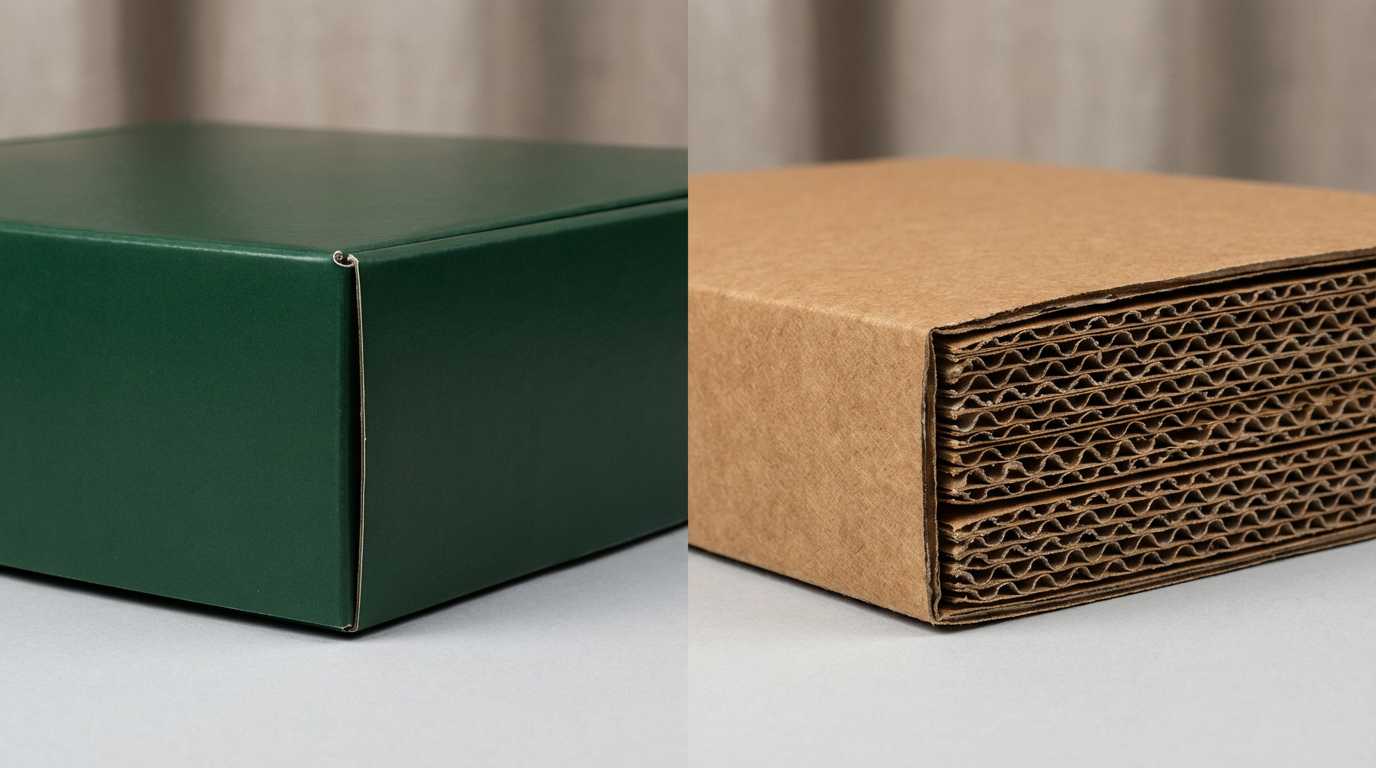
Rigid Box vs. Corrugated Mailer: Which Material Suits Your Premium Corporate Gifts?
A deep dive into the structural integrity, cost implications, and unboxing experience of rigid boxes versus corrugated mailers for high-end corporate gifting.
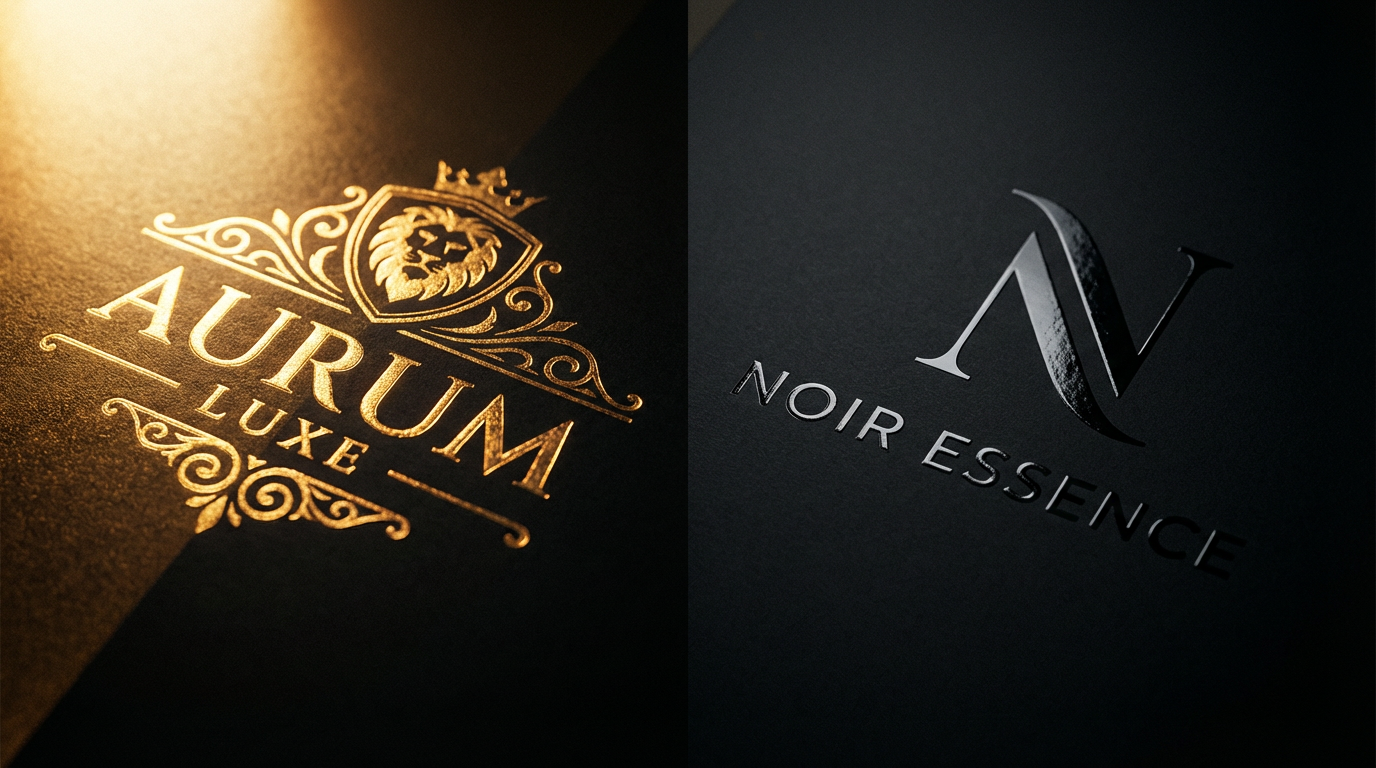
Foil Stamping vs. UV Spot: Elevating Your Brand Logo on Custom Gift Boxes
A technical comparison of hot foil stamping and UV spot varnish, analyzing visual impact, durability, and production costs for branded corporate packaging.