Back to BlogCustomization Process 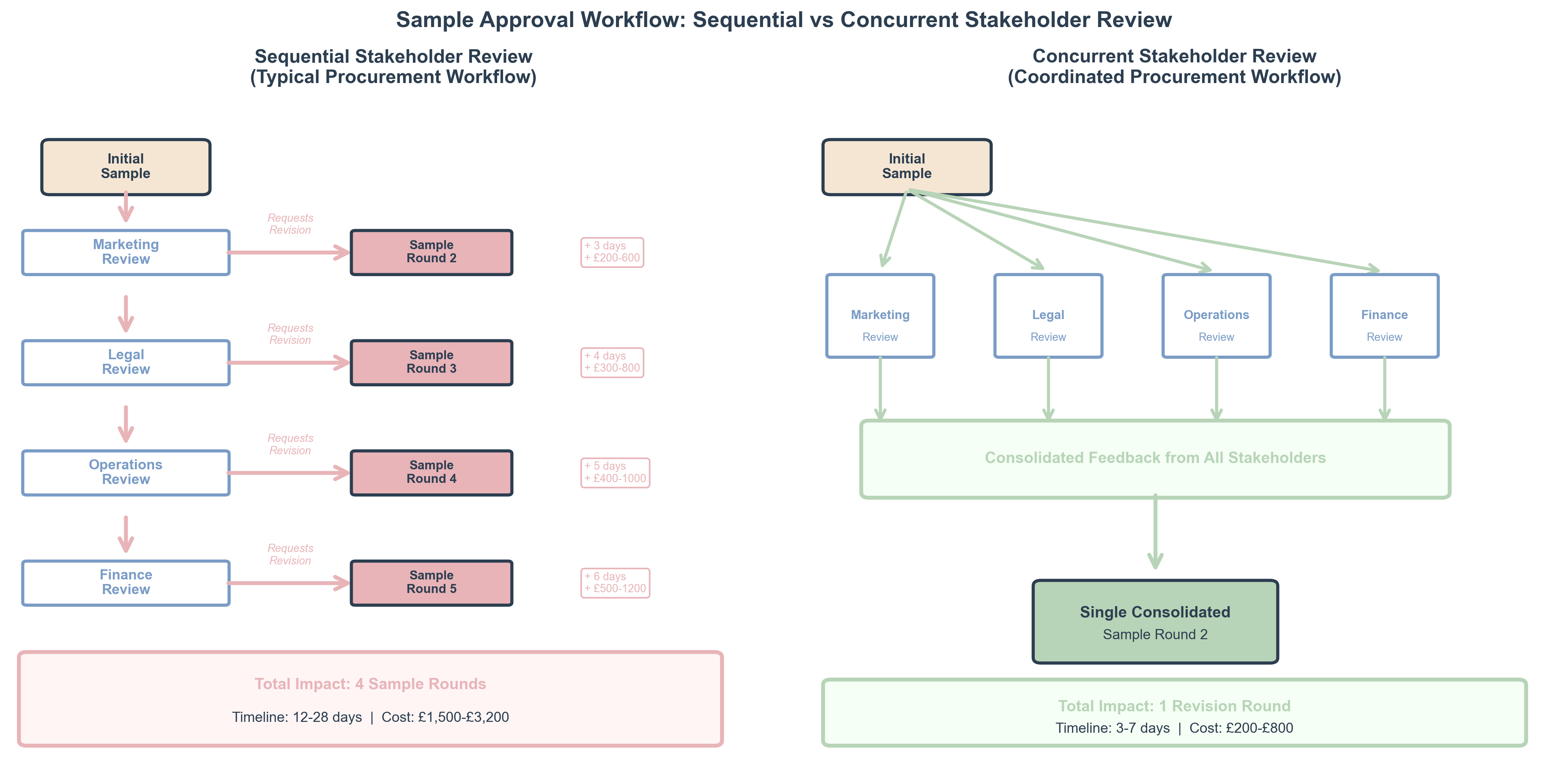
Why Your 2-Round Corporate Gift Box Sample Budget Becomes 6 Rounds
2026-02-18
When procurement teams budget for custom corporate gift box sampling, they typically allocate costs for two to three revision rounds based on design complexity. A straightforward box with logo printing might need two samples, while a multi-component hamper with custom inserts could require three. These estimates assume that each sample iteration brings the design closer to approval, following a linear path from initial prototype to final sign-off. In practice, this is often where decisions around [packaging customization requirements](/resources/customization-process-guide) start to be misjudged. The actual number of sample rounds rarely follows this linear progression because procurement's budgeting model treats sample approval as a design refinement process when it's actually a stakeholder coordination problem.
The fundamental issue is that internal approval workflows operate sequentially rather than concurrently. Marketing reviews the initial sample and requests that the ribbon color be adjusted to match brand guidelines more closely. Once that revision is approved, the sample moves to legal compliance, who notice that the product information panel doesn't meet UK labeling requirements and request repositioning. After legal signs off, operations review the approved design and identify that the box construction won't survive the automated packing line without reinforcement. Finance then examines the revised sample and questions whether the premium materials are justified for the target price point, triggering a material substitution that requires another physical sample. Each stakeholder group operates on their own timeline and adds requirements based on their specific domain expertise, but none of these requirements surface simultaneously because the approval workflow is structured as a relay race rather than a parallel review.
This sequential approval structure creates a multiplication effect that procurement teams consistently underestimate. If four internal stakeholder groups each trigger one revision, the project doesn't experience four iterations of design refinement—it experiences four separate approval cycles, each requiring a new physical sample. At typical sampling costs of two hundred to eight hundred pounds per round depending on box complexity, materials, and printing requirements, this sequential approval pattern can generate fifteen hundred to thirty-two hundred pounds in sampling costs before a single production unit is manufactured. The budget that assumed three rounds at six hundred pounds each suddenly becomes six rounds at twelve hundred pounds total, and procurement is left explaining why sampling costs doubled while the design itself remained relatively stable.
[IMAGE:/images/blog/sample-approval-sequential-vs-concurrent.png|Sequential vs concurrent stakeholder review showing how four stakeholders create four separate sample rounds when reviewing sequentially versus one consolidated round when reviewing concurrently]
The cost overrun isn't the only consequence. Each sample round requires three to seven days for production and shipping, meaning that four sequential stakeholder approvals add twelve to twenty-eight days to the project timeline. When procurement communicates a four-week sampling phase to internal stakeholders based on the assumption of three rounds, the actual timeline stretches to six or seven weeks because each stakeholder group's feedback arrives after the previous group has already approved. This timeline compression creates pressure to skip stakeholder groups or rush approvals, which then surfaces as production issues when the overlooked requirements emerge during bulk manufacturing.
The structural problem is that procurement treats "final approval" as a single gate when it's actually multiple gates that stakeholders pass through at different times. When marketing provides final approval on the visual design, procurement often interprets this as clearance to proceed to production. Legal hasn't reviewed the compliance layer yet, operations hasn't validated the structural integrity for their packing process, and finance hasn't confirmed that the material specifications align with cost targets. Each of these stakeholder groups holds veto power over production, but their review cycles don't synchronize because they're not brought into the approval process concurrently. Marketing's "final approval" is final only for the visual design layer, not for the compliance, operational, or financial layers that other stakeholders own.
This fragmentation is compounded by the fact that stakeholders don't always understand what aspects of the sample fall within their domain until they see the physical prototype. Marketing might approve the ribbon color without realizing that the ribbon attachment method creates a choking hazard that legal will flag. Legal might approve the labeling without recognizing that the box dimensions won't fit the existing shipping cartons that operations uses. Operations might approve the structural design without knowing that the premium paper stock exceeds the cost target that finance has set. Each stakeholder group reviews the sample through their own lens and assumes that other domains have already been validated, when in reality no one has coordinated a comprehensive review that addresses all requirements simultaneously.
The consequence is systematic timeline compression that creates quality risk. When procurement discovers that the sampling phase is running three weeks behind schedule, the pressure to accelerate approvals intensifies. Stakeholders are asked to provide feedback within twenty-four hours instead of three business days, which means they conduct cursory reviews rather than thorough evaluations. Marketing approves the visual design without testing how the foil stamping will photograph under different lighting conditions. Legal approves the compliance layer without consulting the regulatory specialist who would have caught the missing allergen warning. Operations approves the structural design without running the box through the packing line to confirm it won't jam. These rushed approvals create a false sense of readiness that collapses when the first production batch reveals issues that weren't visible—or weren't examined—during the compressed sample approval process.
The solution isn't to add more sample rounds or extend timelines. The solution is to restructure the approval workflow so that all stakeholder groups review the initial sample concurrently rather than sequentially. When marketing, legal, operations, and finance all examine the first physical sample during the same review window and consolidate their feedback into a single revision request, the supplier can address all requirements in one iteration instead of discovering new requirements with each sequential approval. This concurrent review model doesn't eliminate revision rounds—complex designs will still require multiple iterations to refine details—but it prevents the multiplication effect where each stakeholder group triggers a separate round because they weren't consulted during the previous approval cycle.
Implementing concurrent stakeholder review requires procurement to coordinate feedback collection actively rather than passively routing samples through a sequential approval chain. This means scheduling a consolidated review window where all stakeholder groups receive the sample simultaneously and providing a structured feedback template that ensures each domain is evaluated. Marketing provides feedback on visual design and brand alignment. Legal provides feedback on compliance and regulatory requirements. Operations provides feedback on structural integrity and packing compatibility. Finance provides feedback on material costs and price point alignment. All feedback is collected within a defined window—typically three to five business days—and consolidated into a single revision request that the supplier addresses in the next sample iteration.
This concurrent model also requires procurement to establish clear domain ownership so that stakeholders understand which aspects of the sample fall within their review scope. Marketing owns visual design but doesn't comment on structural engineering. Legal owns compliance but doesn't override operations on packing line compatibility. Operations owns structural integrity but defers to finance on material cost trade-offs. When each stakeholder group knows their review boundaries, they can provide focused feedback within their domain without creating conflicting requirements that force the supplier to choose between competing priorities.
The challenge is that concurrent stakeholder review exposes conflicts earlier in the process, which can feel like it's slowing down approvals when it's actually preventing rework. When marketing requests premium paper stock and finance flags that this exceeds the cost target, the conflict surfaces during the first sample review instead of after marketing has already approved three iterations using the premium material. Resolving this conflict requires negotiation between marketing and finance to either adjust the cost target or modify the material specification, which takes time and can feel like the approval process is stalled. In reality, this early conflict resolution prevents the scenario where procurement orders production using the premium material that marketing approved, only to have finance reject the invoice because the unit cost is twenty percent above target.
[IMAGE:/images/blog/sample-approval-cost-timeline-comparison.png|Cost and timeline comparison showing sequential stakeholder review requires twelve to twenty-eight days and costs fifteen hundred to thirty-two hundred pounds versus concurrent review requiring three to seven days and costing two hundred to eight hundred pounds]
The other structural issue is that sample approval confirms the visual result but doesn't lock the material specifications that produced that result. When stakeholders approve a sample, they're approving what they see and feel—the color accuracy, the logo placement, the structural rigidity, the finishing quality. They're not approving the specific paper stock grade, the adhesive formulation, the ribbon supplier, or the foil stamping technique that the supplier used to create that result. When the supplier faces material availability issues during production and substitutes an "equivalent" material that looks similar but performs differently, the approved sample becomes a visual reference rather than a manufacturing specification. The production boxes arrive with correct appearance but insufficient rigidity because the supplier switched from three hundred fifty gram coated art paper to three hundred gram coated paper to manage costs, and procurement didn't realize that the sample approval needed to lock the material grade in addition to the visual design.
This gap between visual approval and specification lock creates two bad options when material substitution is discovered after production. Procurement can accept the inferior quality and damage brand perception by delivering gift boxes that don't meet the standard that stakeholders approved. Or procurement can reject the production batch and re-manufacture using the correct materials, which costs five thousand to fifteen thousand pounds for five hundred to one thousand unit orders and adds four to six weeks to the delivery timeline. Neither option is acceptable, but both are consequences of treating sample approval as a design validation checkpoint rather than a production specification lock that defines exact materials, processes, and quality standards that must be replicated during bulk manufacturing.
Preventing this requires procurement to document the material specifications that produced the approved sample and incorporate those specifications into the production order as binding requirements. When stakeholders approve a sample, procurement should request a detailed material breakdown from the supplier that lists the paper stock grade and supplier, the adhesive type and application method, the ribbon material and attachment technique, the foil stamping temperature and pressure settings, and any other process parameters that affect the final result. This material specification document becomes part of the production order, and any deviation requires written approval from procurement before implementation. If the supplier can't source the exact paper stock during production, they must notify procurement and provide a sample using the substitute material for re-approval before proceeding with bulk manufacturing.
The cost of this specification lock is minimal—it requires the supplier to document their material sources and process parameters, which adds perhaps thirty minutes to one hour of administrative work per project. The value is substantial—it prevents the five thousand to fifteen thousand pound re-manufacturing cost and four to six week delay that occurs when material substitution is discovered after production. More importantly, it shifts the supplier's incentive structure from "match the visual appearance using whatever materials are available" to "replicate the exact materials and processes that produced the approved sample," which aligns the supplier's manufacturing decisions with procurement's quality expectations.
The broader lesson is that sample approval workflows need to be designed around stakeholder coordination rather than design iteration. Procurement teams that budget for three sample rounds based on design complexity will consistently underestimate costs and timelines if they don't account for the multiplication effect that sequential stakeholder approvals create. The solution isn't to add more rounds or extend timelines—it's to restructure approvals so that all stakeholder groups review concurrently, provide consolidated feedback, and lock both visual design and material specifications before production begins. This concurrent model doesn't eliminate revision rounds, but it prevents the scenario where each stakeholder group triggers a separate round because they weren't consulted during the previous approval cycle, and it ensures that the approved sample defines a manufacturing specification rather than just a visual reference.
You May Also Like
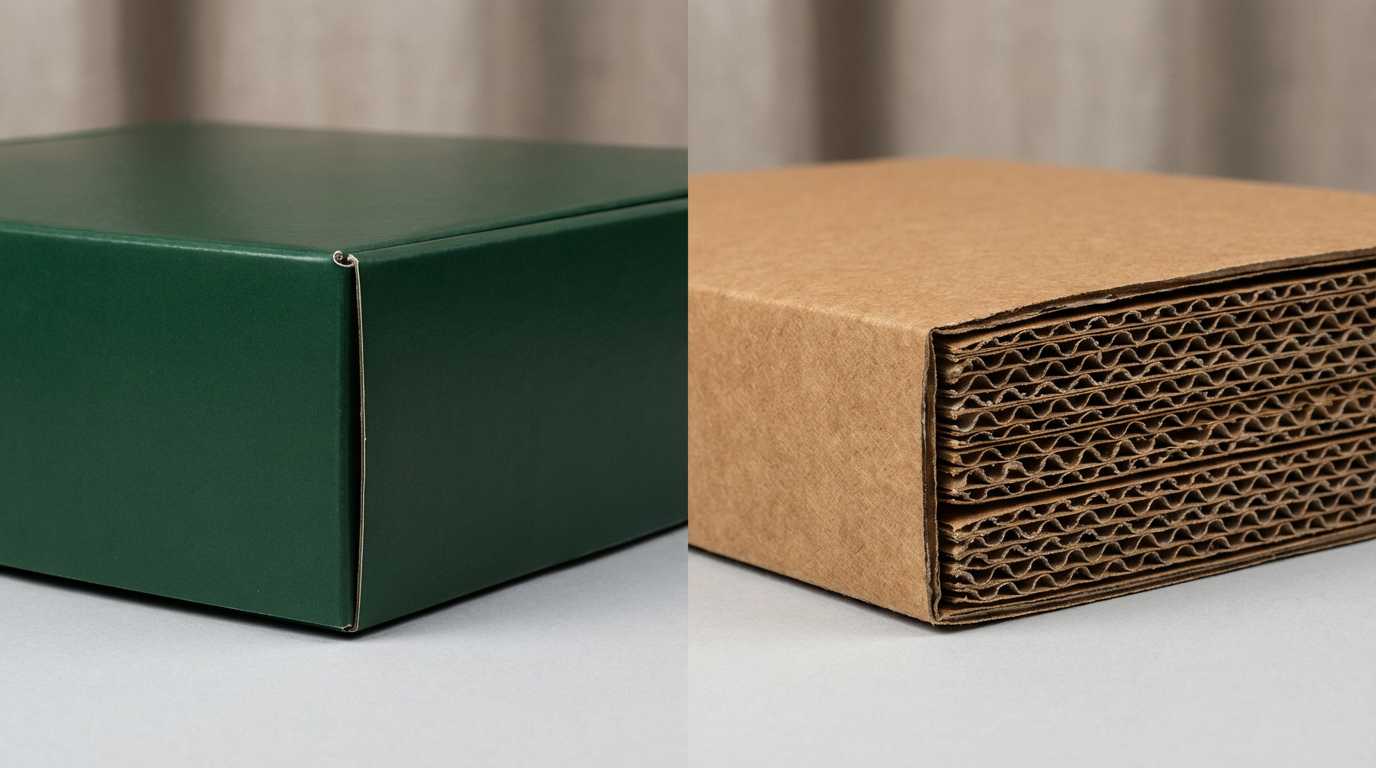
Rigid Box vs. Corrugated Mailer: Which Material Suits Your Premium Corporate Gifts?
A deep dive into the structural integrity, cost implications, and unboxing experience of rigid boxes versus corrugated mailers for high-end corporate gifting.
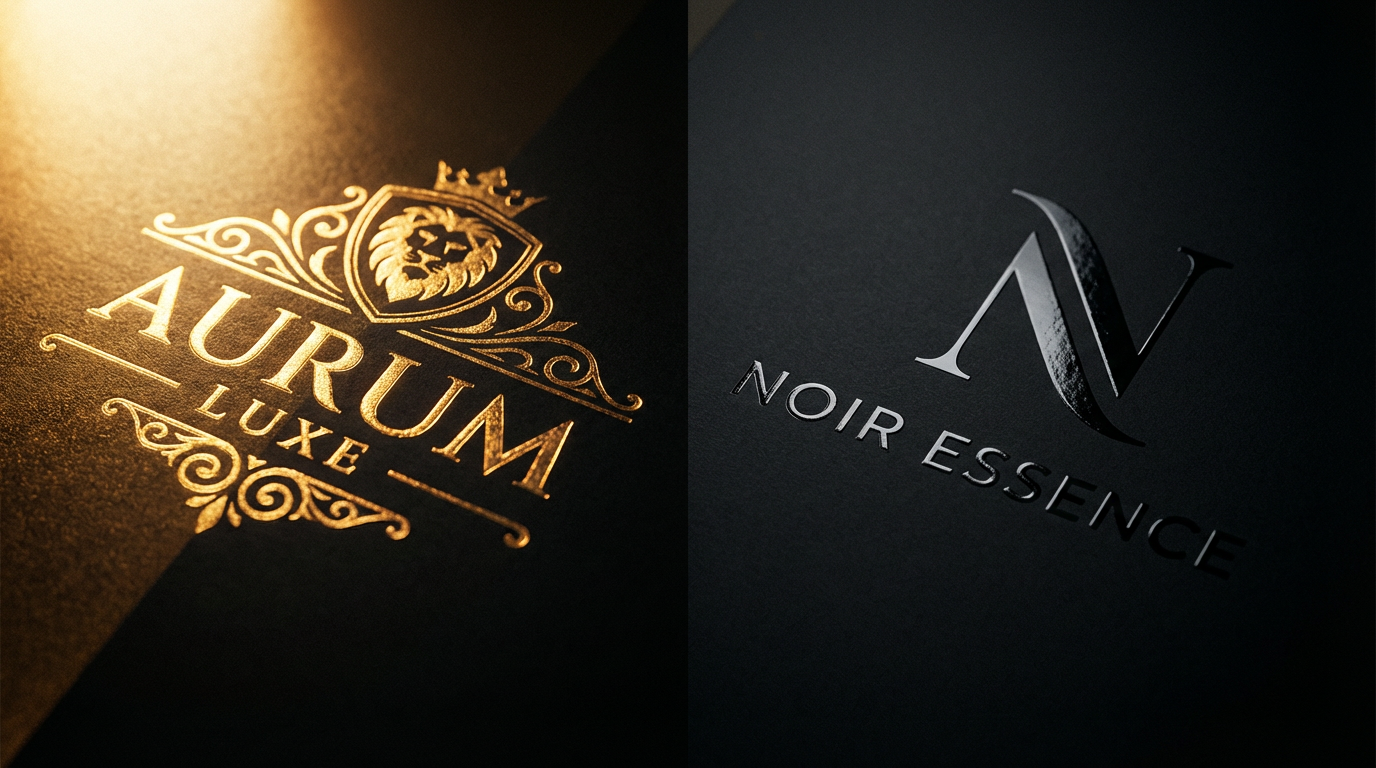
Foil Stamping vs. UV Spot: Elevating Your Brand Logo on Custom Gift Boxes
A technical comparison of hot foil stamping and UV spot varnish, analyzing visual impact, durability, and production costs for branded corporate packaging.